
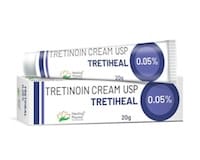
Buy Tretinoin Cream Online for Fast Prescription Delivery
Navigating Prescription Requirements and Online Access
Chasing the „fountain of youth“ shouldn’t feel like walking a legal tightrope. In most places, tretinoin remains strictly a prescription-only medication. You can’t just grab it off a drugstore shelf like a standard bottle of moisturizer. This rule exists because the active ingredient is a powerhouse that demands respect and a bit of medical supervision.
You might wonder why the rules are so rigid. The truth is that tretinoin is a heavy hitter in the world of retinoids. Because it alters skin cell turnover so aggressively, it can cause significant irritation if you use it incorrectly. A doctor’s oversight ensures the strength you use is actually appropriate for your specific complexion and sensitivity levels.
Think of it like driving a high-performance sports car. You wouldn’t jump into the driver’s seat of a Ferrari without knowing how to handle the gears, right? Similarly, jumping into a high-strength tretinoin regimen without professional guidance can lead to a „retinoid purge“ or chemical burns that leave your skin feeling like sandpaper. Professional monitoring helps tailor the treatment to your unique skin type.
The Digital Marketplace and Prescription Realities
The internet has changed the game for skincare enthusiasts everywhere. You may encounter online services that make the process feel incredibly easy. Some platforms offer a streamlined experience where you can order products even if the interface asks for a prescription but doesn’t strictly require an immediate upload to proceed. This convenience is tempting when you want fast results.
However, navigating these digital waters requires a keen eye. While some sites are legitimate and reliable, the ease of access can be a double-edged sword. It is vital to ensure you are using a reputable service. Buying from unverified sources is like playing Russian roulette with your face; you might get what you want, but the side effects could be devastating.
If you are looking at the financial side of things, the cost of staying youthful can vary wildly. Without insurance, a generic prescription typically costs between $20-$100 per tube. It is a significant investment, but it is much cheaper than trying to fix a damaged skin barrier caused by counterfeit products. Always look for legitimate providers to ensure your money is well spent.
| Category | Estimated Cost (USD) | Note |
| Generic Prescription | $20 – $100 | Per tube, varies by provider |
| Average Cost (Retin-A) | $86.29 | Standard retail pricing |
| GoodRx Discounted Price | $51.25 | Using specific discount programs |
Staying Safe in an Unregulated Landscape
It is incredibly important to steer clear of illegal over-the-counter sales. You might see ads for „tretinoin-strength“ creams on social media that claim you don’t need a doctor. Do not fall for the bait. These unregulated products often lack the actual active ingredient or, worse, contain dangerous impurities that can cause long-term damage to your skin’s integrity.
Safety should always be your North Star when dealing with potent dermatological actives. If a deal seems too good to be true, it almost certainly is. A legitimate online pharmacy will always prioritize your health by verifying your medical necessity through a consultation or a valid script. They want you to see results, not end up in an emergency room with a rash.
Ultimately, the goal is to achieve glowing, healthy skin, not to gamble with your appearance. Always prioritize verified, medical-grade sources. Whether you are using AgelessRx or a local dermatologist, ensure the path you take is paved with clinical legitimacy. Your skin works hard for you every single day; it deserves nothing less than the safest, most reliable products available.
Cost Breakdown and Budgeting for Tretinoin
Navigating the financial side of prescription skincare can feel like walking through a dense fog. One moment you are looking at a budget-friendly option, and the next, you are staring down a steep price tag that makes your eyes water. It is a common struggle for anyone trying to maintain a consistent regimen without breaking the bank.
The reality is that „beauty is pain“ often applies to your wallet before it ever touches your skin. Before you commit to a long-term routine, you need to understand the sheer variety in pricing. It is not just about the cream itself, but the way you choose to acquire it that makes all the difference.
Some people find themselves caught off guard by the retail price of brand-name options. If you are looking at the classic Retin-A, you might find the average retail price sits around $86.29. For many, this price point feels like a heavy lift when you are trying to balance your monthly grocery bill and rent.
Comparing Brand Names and Generics
The good news is that you don’t have to pay a premium just to get the results you desire. Generic versions of the medication are often the „secret handshake“ of the skincare world. They offer the same active ingredients without the fancy branding that inflates the cost of your prescription significantly.
When you look at generic options, the pricing can swing quite wildly depending on your pharmacy or the specific strength. You might find prices ranging from a modest $20 up to $100 per tube. It is a bit of a wild west, so being prepared to shop around is essential for your budget.
To help you visualize these differences, I have put together a quick comparison of what you might encounter at the pharmacy counter. Having these numbers in front of you can act as a compass when you are standing in the aisle or browsing online.
| Option Type | Estimated Cost | Pricing Context |
|---|---|---|
| Retin-A (Brand Name) | $86.29 | Standard average retail price |
| Generic Tretinoin | $20 – $100 | Variable per tube price |
| GoodRx Discounted | $51.25 | Price with discount programs |
Smart Strategies for Lowering Costs
If the sticker shock is real, don’t lose heart just yet. There are several ways to shave significant amounts off your total. Using a service like GoodRx can be a complete game-changer, potentially lowering that $86.29 price tag down to approximately $51.25. It is a simple step that yields immediate relief.
Many people overlook the power of these discount programs, treating them like an afterthought. In reality, they are a vital tool in your skincare arsenal. Think of it as a coupon that actually works, helping you bridge the gap between a luxury treatment and an affordable daily necessity.
Beyond discounts, you have to weigh the financial impact of your insurance coverage. Some plans cover dermatological prescriptions heavily, making the out-of-pocket cost a mere trifle. However, if you are paying full price, the cumulative effect of several tubes over a year can really add up.
Ultimately, deciding whether to use insurance or pay out-of-pocket is a balancing act. If your deductible is high, paying cash with a discount might actually be the smarter play. It is always worth sitting down with your plan details to see which path keeps more money in your pocket.
Choosing Between Brand Name and Generic Alternatives
Walking into a pharmacy and seeing the price of Retin-A can feel like taking a punch to the gut. Many users wonder if that premium label actually delivers a superior glow, or if they are simply paying for a fancy box. It is a classic dilemma that keeps many skincare enthusiasts up at night, weighing cost against perceived quality.
When it comes to pure efficacy, the science tells a very clear story. The active ingredient in Retin-A is the exact same chemical compound found in generic tretinoin. Both options aim to accelerate cell turnover and smooth out those stubborn fine lines. For most people, the biological „engine“ under the hood is identical, regardless of the name on the tube.
However, the experience of applying the cream can vary significantly. While the active potency remains a constant, the „vehicle“—the cream or gel itself—is where the magic (or the irritation) happens. You aren’t just paying for the medicine; you are paying for the specific way that medicine interacts with your delicate skin barrier.
The Price-to-Value Equation
If you are looking at the bottom line, the math often tilts heavily in favor of generics. Why pay $86.29 for a name brand when a generic might cost you $20? It feels like a no-brainer on paper, but the value isn’t just about the lowest price. It is about how much of that product actually makes it into your skin effectively.
Concentration plays a massive role in your long-term investment. A 0.025% cream is often the „training wheels“ of the tretinoin world, helping your skin adjust without causing a massive breakout or peeling. If you jump straight to a high-strength 0.1% generic just to save money, you might end up spending more on soothing moisturizers later.
Think of it as a marathon, not a sprint. A cheaper, lower concentration used consistently over six months is infinitely more valuable than an expensive, high-strength cream that you have to stop using after a week because your face feels like it’s on fire. The best value is the one that you can actually tolerate every single night.
Formulations and Sensitivity
Some users swear by brand-name formulations, and their reasoning isn’t just stubbornness; it’s biology. Brand-name creams often use specific emulsifiers and stabilizers that are tested extensively for stability. For those with extremely reactive or sensitive skin, these specific textures can be the difference between a smooth routine and a red, angry complexion.
Generic options are a bit like a wildcard in a deck of cards. While they contain the same medicine, the „filler“ ingredients can vary wildly between manufacturers. One generic brand might use a thick, rich cream base that feels like a dream, while another might feel like applying thin, watery lotion that evaporates instantly.
These differences in ingredients—such as alcohols, parabens, or different thickening agents—can trigger reactions. If you have a history of contact dermatitis, you might find that the brand-name version is your only safe harbor. It is worth noting that what works for your friend might be a disaster for your own skin barrier.
- Texture: Creams tend to be better for dry skin, while gels are often preferred by oily types.
- Stability: Brand names often have more rigorous testing for ingredient shelf-life.
- Absorption: The „vehicle“ determines how quickly the tretinoin sinks into your pores.
- Irritation: Fillers in generics can sometimes cause unexpected redness in sensitive individuals.
Reliable Online Purchasing and Shipping Logistics
Navigating the digital marketplace for prescription skincare can feel like walking through a minefield. You want results, but you certainly don’t want a package filled with counterfeit chemicals. It is vital to differentiate between a legitimate medical platform and a shady website that promises miracles for pennies. Safety should always be your North Star.
When looking for a reliable partner, platforms like AgelessRx have gained significant traction among skincare enthusiasts. Users often find that these services streamline the entire process, making it incredibly easy to secure high-quality tretinoin. It is a way to bypass the traditional pharmacy line while ensuring you receive a genuine, potent product.
Many people worry about the legality of ordering online, but reputable sites operate strictly within the bounds of medical regulation. They bridge the gap between your doctor’s orders and your front door. Using these verified services ensures that the cream arriving in your mailbox is exactly what was promised on the label.
The Digital Consultation Process
Since tretinoin is a prescription-only medication, you cannot simply grab it off a shelf like a bottle of shampoo. This is a crucial safeguard to ensure the strength is tailored to your specific skin type. Most legitimate online pharmacies use a digital consultation to verify your medical necessity and safety.
The process is typically quite straightforward and can be done from the comfort of your sofa. You will likely answer a series of questions regarding your skin history and any current sensitivities. A licensed medical professional then reviews your responses to ensure that the treatment is a safe match for your complexion.
Think of it as a virtual handshake with a healthcare provider. It’s not just a formality; it is a protective barrier that prevents you from accidentally using a concentration that might cause severe irritation. This step is what separates a legitimate medical service from a questionable „over-the-counter“ loophole.
Once the consultation is cleared, the prescription is sent directly to the pharmacy. This integrated system removes the heavy lifting of finding a local doctor to write a specific script. It turns a complex medical hurdle into a simple, streamlined digital transaction that fits into a busy lifestyle.
Shipping Reliability and Costs
Once you hit that „order“ button, the clock starts ticking. Shipping speed is often the deciding factor for many users. You want your skincare routine to be uninterrupted, which means you need a provider that treats your delivery with the same care they treat their medical protocols. Reliability is everything.
Most top-tier online services offer various shipping tiers to suit your urgency. While you might be tempted to choose the cheapest option, sometimes paying a few extra bucks for expedited delivery is worth the peace of mind. You don’t want to be staring at a blank spot on your vanity for two weeks.
Cost remains a major driver in this industry. While some generic prescriptions can run as high as $100 per tube, many users find much more economical paths. It is a game of numbers, and finding the right balance between shipping costs and product price is key to long-term success.
| Pricing Component | Estimated Cost Range |
| Generic Prescription (Tube) | $20 – $100 |
| Average Retin-A Cost | $86.29 |
| Discounted Rate (GoodRx) | $51.25 |
When calculating your budget, remember to factor in the total cost of ownership. This includes the consultation fee, the product itself, and the shipping logistics. It is often cheaper to buy in bulk or subscribe to a recurring delivery service to keep that per-month average as low as possible.
Application Strategies and Skin Tolerance
Starting a tretinoin journey is a bit like training for a marathon; you cannot simply sprint on day one without risking a massive breakdown. Your skin needs a slow, steady introduction to the potent molecule. Jumping in too fast often leads to redness, peeling, and a sensation that your face is on fire.
The „sandwich method“ is a lifesaver for those with sensitive complexions. Think of it as a protective buffer for your skin cells. You apply a thin layer of moisturizer, wait for it to dry, apply a pea-sized amount of tretinoin, and then seal everything in with another layer of moisturizer. It is a gentle way to ease into the routine.
By layering, you create a barrier that slows down the penetration rate of the medication. This doesn’t make the treatment ineffective, but it does make the transition much smoother. It helps prevent that dreaded „retinoid ugliness“ phase where your skin feels tight and looks flaky like a desert landscape.
Consistency is far more important than intensity when you are first starting out. It is much better to use a lower concentration twice a week and stick to it than to use a high strength every night and end up with a chemical burn. Patience is your best friend in this long-term skincare game.
Managing the Purge and Potency
When you first start using tretinoin, you might notice your skin getting significantly worse before it gets better. This phenomenon is known as „purging.“ It occurs because the medication is speeding up cellular turnover, essentially forcing all the underlying congestion and impurities to the surface at once.
The intensity of this purge is closely tied to your concentration levels. A 0.05% cream might send your breakouts into a frenzy, whereas a 0.025% cream might only cause a few stubborn spots to surface. If you find yourself fighting a constant battle with new pimples, it might be time to scale back your strength.
It is vital to distinguish between a purge and a reaction. A purge typically happens in areas where you are prone to breakouts. If you are seeing redness or bumps in areas where you never usually get acne, you might be experiencing a sensitivity or an allergic reaction to the formula itself.
Many users find that they need to cycle their application during the first few months. You might use it every third night, then every second night, until your skin builds up its natural tolerance. Once you hit that „sweet spot“ of stability, you can move toward nightly application for maximum results.
Nighttime Rituals and Sun Protection
Tretinoin is a creature of the night. It is highly sensitive to ultraviolet light, which can cause the active ingredient to break down and lose its potency before it even has a chance to work. Applying it in the morning is essentially throwing your expensive product into the wind.
Because tretinoin works by accelerating cell turnover, it makes your skin incredibly vulnerable to sun damage. It essentially strips away the protective outer layer of dead skin cells, leaving the fresh, new skin underneath exposed. Without protection, you might actually cause more aging than you are trying to fix.
Daily SPF usage is not a suggestion; it is a non-negotiable requirement. Even if you are staying indoors or it is a cloudy day, that sunscreen must be applied every single morning. If you skip this step, you are essentially driving a high-performance car with no brakes—it’s a recipe for disaster.
Think of your skincare routine as a two-part contract. The tretinoin handles the heavy lifting of collagen production and acne control at night, while the sunscreen acts as your bodyguard during the day. Respect this balance, and you will see the transformative results you were promised.
| Application Tip | Why It Matters |
| The Sandwich Method | Minimizes irritation and dryness |
| Nightly Use Only | Prevents UV degradation of the cream |
| Daily SPF 30+ | Protects new, sensitive skin cells |
| Pea-Sized Amount | Prevents excessive chemical burns |
Comparing Tretinoin with Retinol and Other Retinoids
Navigating the skincare aisle can feel like wandering through a dense fog. You see bottles labeled „Retinol“ everywhere, promising youthful skin for a bargain. However, there is a massive canyon between those drugstore staples and the heavy-hitting tretinoin found in a dermatologist’s office. Understanding this gap is the key to your skin’s long-term success.
Retinol is the „entry-level“ worker of the family. It is available over the counter without a doctor’s note, making it incredibly easy to grab. Your skin has to undergo several conversion steps to turn retinol into retinoic acid, which is the actual active ingredient your cells crave. It’s a slow, gentle process that plays it safe.
Tretinoin, on the other hand, is the „special forces“ of topical treatments. It is a pure form of retinoic acid, meaning it doesn’t need to undergo any conversion. It hits the ground running, immediately communicating with your cells to speed up turnover. Because it is so powerful, it remains a prescription-only medication in most countries.
Think of it this way: retinol is a gentle morning jog, while tretinoin is a high-intensity sprint. While the jog is easier on the legs, the sprint gets you to the finish line much faster. If you are looking for immediate, measurable changes in texture and tone, the prescription route is often the gold standard.
Potency and the Battle Against Wrinkles
When it comes to erasing the fine lines that have started to settle around your eyes, potency is everything. Retinol often lacks the „oomph“ required to stimulate significant collagen production in mature skin. It might smooth out some surface roughness, but it often hits a ceiling when facing deep-set wrinkles.
Tretinoin is widely considered the king of anti-aging for a reason. By directly targeting the cellular level, it works to rebuild the skin’s structural integrity. It doesn’t just mask the damage; it actively works to repair the foundation. This is why many people find their results plateau with over-the-counter options.
However, this strength is a double-edged sword. Because tretinoin is so efficient, it can cause significant dryness and peeling if you dive in too deep, too fast. You can’t just treat it like a standard moisturizer; it requires a disciplined approach and a lot of patience to reap the rewards without burning your skin.
If your main goal is fighting the visible signs of aging, the extra effort of obtaining a prescription is usually worth it. The science supports the idea that tretinoin is more effective at resurfacing the skin and smoothing out fine lines than its weaker, non-prescription cousins.
Choosing Your Weapon: Acne vs. Aging
Not every skin concern requires a sledgehammer. If your primary battle is with stubborn, recurring acne, tretinoin is a formidable ally. It helps keep your pores clear by ensuring that dead skin cells are shed properly rather than clogging up the works. It effectively manages the „congested“ look many struggle with.
For those primarily worried about sun spots, hyperpigmentation, or sagging skin, the conversation shifts slightly. While tretinoin excels at both, some people prefer starting with milder retinoids to build a tolerance before tackling the big guns. It is about matching the intensity of the product to the urgency of your skin’s needs.
- Acne-Prone Skin: Often benefits from the deep-clearing properties of tretinoin to prevent future breakouts.
- Aging-Prone Skin: Benefits from the intense collagen stimulation that only pure retinoic acid can provide.
- Sensitive Skin: Might find success with lower-strength over-the-counter retinol to avoid heavy irritation.
Ultimately, your skin type dictates your starting point. If you have oily, acne-prone skin, you might find a high-strength tretinoin quite easy to tolerate. If your skin is naturally dry or sensitive, you might want to take a much slower, more cautious path toward higher concentrations.
The Cost of Transformation
The financial aspect of skincare is often the biggest hurdle. Many people assume that prescription medication is prohibitively expensive, but the reality is often much more manageable. It is a classic case of „you get what you pay for,“ where a slightly higher investment can yield much better results.
A generic prescription for tretinoin can typically cost anywhere from $20 to $100 per tube. While that might seem higher than a $15 drugstore cream, the efficacy difference is significant. You are paying for a more potent, direct-acting ingredient that actually delivers on its promises rather than just sitting on the surface.
If you are worried about the price tag, there are ways to trim the fat. For example, Retin-A cream costs an average of $86.29, but using a GoodRx discount can lower that cost to $51.25. It is a small price to pay for a product that can fundamentally change the way your skin looks and feels.
When you weigh the cost-benefit, the math usually favors the prescription. Instead of buying three different drugstore serums that only provide a fraction of the results, one tube of tretinoin often does the work of an entire cabinet. It is an investment in your skin’s future, rather than a temporary fix.
| Feature | OTC Retinol | Prescription Tretinoin |
| Availability | Over-the-counter | Requires Prescription |
| Conversion | Must convert to acid | Active immediately |
| Potency | Low to Moderate | High |
| Primary Use | Prevention/Maintenance | Treatment/Correction |
Contact & directions
Address:
45 William T. Morrissey Boulevard,
Boston, MA 02125, USA