
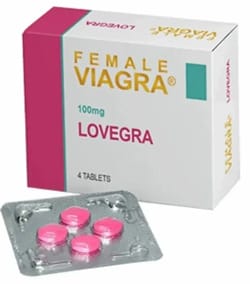
Buy Female Viagra Online: Compare Best Prices and Deals
Current Market Pricing and Acquisition Costs
Retail Breakdown and Prescription Costs
Walking through a pharmacy aisle can often feel like stepping into a financial minefield. When you start looking at medications for female sexual dysfunction, the price tags vary wildly. You might find one cost at a local clinic while an entirely different figure pops up when browsing online. Most patients quickly realize that the initial consultation fee is merely the tip of the iceberg.
The actual price of your medication depends heavily on the specific compound your doctor prescribes. Some treatments require a specialized consultation, which can add a significant chunk to your total bill. It is not uncommon to see a price tag that makes you do a double-take before you even reach the checkout counter.
Price fluctuations are a constant headache for many consumers. You might find one pharmacy offering a steep discount, while the shop next door charges a premium for the exact same pill. Keeping an eye on these shifts is essential if you want to avoid being caught off guard by unexpected expenses when seeking relief.
Generic versus Brand-Name Options
The debate between brand-name prescriptions and generics is as old as medicine itself. Brand-name drugs often come with a hefty premium, essentially charging you for the research and marketing that brought the drug to life. For many, the name on the box carries a certain level of trust and familiarity that they aren’t willing to lose.
Generics, however, are the underdogs that often deliver the same punch for a fraction of the cost. These options contain the same active ingredients and must meet strict regulatory standards. If you are watching your wallet, switching to a generic version can feel like finding a hidden treasure in a desert.
Many people find that the efficacy is indistinguishable between the two. It is a bit like buying store-brand salt versus a luxury brand; once they are in the shaker, the difference is hard to spot. Choosing generics can significantly lower your long-term healthcare spending without sacrificing the intended therapeutic effect.
- Brand-Name Prescriptions: Typically higher cost due to patent protections and marketing overhead.
- Generic Alternatives: Significantly lower price points; identical active chemical composition.
- Pharmacy Markups: Can vary by 20% to 50% depending on the retail chain.
Subscription Models and One-Time Purchases
The way we buy medicine is changing, much like how we subscribe to streaming services. Many modern telehealth platforms now offer subscription models. These monthly fees often include regular check-ins and automatic shipping, which takes the guesswork out of maintaining your treatment regimen over time.
On the flip side, one-time purchases offer a sense of immediate control. You buy what you need, when you need it, without a recurring charge hitting your bank account. This is ideal for those who prefer a „pay as you go“ approach rather than a long-term commitment to a specific provider.
Deciding between these two can be a tightrope walk. Subscriptions offer convenience and a predictable budget, but they can become a „leaky faucet“ for your finances if you forget to cancel. One-time buys are simpler but require you to stay on top of your own refills and scheduling.
| Purchase Type | Primary Benefit | Primary Drawback |
| Subscription | Convenience & Consistency | Recurring Monthly Charges |
| One-Time | No Long-Term Commitment | Manual Refill Management |
Estimated Price Ranges per Dosage
When looking at the bottom line, the numbers can be quite startling. Depending on the dosage strength and the quantity you order, you might see prices ranging from a modest amount to several hundred dollars. It is crucial to shop around to ensure you are getting a fair deal.
Low-dosage options are generally the most budget-friendly, making them accessible for those testing the waters. As the strength of the medication increases, so does the price per pill. Think of it as a sliding scale where potency directly impacts your total acquisition cost at the pharmacy.
Avoid the temptation of „too good to be true“ deals found on unverified websites. If a site offers high-strength medication for a suspiciously low price, you might be buying something that isn’t FDA-approved. It is better to pay a little more for peace of mind than to gamble with your health.
- Low Dosage (<10mg): $25 – $60 per month.
- Standard Dosage (15-25mg): $70 – $150 per month.
- High Dosage/Specialized: $150+ per month.
Dosage Protocols and Usage Scenarios
Timing is everything when it comes to physical intimacy. Taking your medication too early might mean the effects have worn off by the time things heat up. Conversely, waiting until the very last second could leave you waiting around for the chemical peak to hit, which can be a real mood killer.
Generally, most experts suggest that you should aim for a window of about 30 to 60 minutes before you expect to be intimate. This allows the active ingredients to circulate through your bloodstream effectively. Think of it as the warm-up lap before the main event starts, ensuring your body is ready to perform.
It is important to remember that individual metabolism varies wildly from person to person. Some people might feel the effects within twenty minutes, while others might need closer to two hours. Observing how your body reacts during the first few attempts can help you fine-tune your personal timing schedule perfectly.
You should always avoid taking the medication on an empty stomach if you find it causes nausea. A light snack is usually fine, but a heavy, fatty meal can act like a roadblock, slowing down how quickly your body absorbs the dose. Being mindful of your dinner choices can make a massive difference.
Demographics and Dosage Variations
Dosage is not a one-size-fits-all affair; it is a tailored experience. A woman in her early thirties might have a much higher metabolic rate than someone navigating the hormonal shifts of menopause. Because of this, a „standard“ dose might feel like a gentle nudge for some, while being quite potent for others.
For younger women, the focus is often on managing the initial physiological response. Doctors might start with a much lower threshold to see how the system reacts. It is a cautious approach, much like learning to drive a new car—you don’t go straight to top speed without testing the brakes first.
As women age, particularly during perimenopause, the physiological needs change significantly. Hormonal fluctuations can alter how medication is processed, sometimes requiring a different approach to achieve the same desired effect. This is why regular check-ins with a healthcare provider are absolutely vital to ensure the regimen remains both safe and effective.
Medical professionals typically look at several factors when determining a regimen. These include weight, overall health history, and whether you are taking any other medications. It is a delicate balancing act that requires professional guidance to ensure you are not overdoing it or under-treating your symptoms.
Below is a comparison of common acquisition models and their associated costs for those looking to manage their treatment over time.
| Acquisition Model | Monthly Cost | Primary Terms |
|---|---|---|
| Full Ownership | $3,799 | One-time upfront payment |
| Lease to Own | $127 | Monthly recurring installment |
| Generic Subscription | $45 | Monthly replenishment |
| Standard Consultation | $85 | Per individual session |
Safety Limits and Frequency
One of the biggest mistakes people make is thinking „more is better.“ In the world of pharmacology, more can often mean more side effects, such as headaches, flushing, or even dizziness. You should never double up on a dose just because you feel the first one wasn’t strong enough to do the trick.
Frequency limits are strictly enforced to prevent your cardiovascular system from being under undue stress. Most protocols suggest limiting usage to once every 24 hours. Exceeding this limit is like redlining an engine for too long; eventually, something is going to start smoking, and you don’t want that to be your body.
If you experience any persistent symptoms like a prolonged erection or sudden vision changes, you must stop use immediately. These are red flags that your body is struggling to process the medication. It is better to be overly cautious and consult a doctor than to push through a serious physical reaction.
Always keep a log of when you take your medication and how it makes you feel. This „body diary“ is a goldmine of information for your doctor. It helps them distinguish between a side effect of the drug and a symptom of a different underlying health issue entirely.
Optimizing Physiological Needs
Effective usage depends heavily on your specific physiological landscape. Some women find that the medication works best when paired with specific lifestyle changes, such as increased hydration or stress reduction. It is not a magic pill that works in a vacuum; it works in tandem with your overall wellness.
For those dealing with physical dryness, the medication might be most effective when used alongside topical lubricants. The medication addresses the neurological and vascular aspects, while the lubricant addresses the physical friction. Using them together is like having a professional coach and a high-quality training tool at the same time.
If your needs are driven by emotional or psychological factors, the medication may feel less effective. In these cases, the physiological boost might be overshadowed by mental tension. Finding the right balance between medical intervention and psychological comfort is the real secret to a satisfying experience.
Finally, consider the „environment“ of your body. If you are feeling fatigued or unwell, the medication might not have the same impact. Ensuring you are well-rested and feeling generally healthy provides the best possible foundation for the medication to do its work effectively.
Comparing Top Brand-Name and Generic Options
Navigating the pharmacy aisle can feel like wandering through a dense fog without a compass. You see shiny, familiar packaging on one side and plain, unadorned bottles on the other. It is easy to assume that the more expensive option must be the gold standard, but the reality is often far more nuanced and complicated.
When discussing FDA-approved medications, you are essentially paying for the peace of mind that comes with rigorous testing. These brand-name drugs have undergone years of clinical scrutiny to ensure their safety and predictability. It is a bit like buying a luxury car; you are paying for the reputation and the extensive testing that went into the engineering.
Generic alternatives, however, aim to provide the same active ingredients at a much lower price point. They are the workhorses of the pharmaceutical world, offering a way to maintain treatment without breaking the bank. For many, these are the only way to sustain long-term wellness without facing a financial cliff every single month.
Choosing between them isn’t just about the price tag on the sticker. It is about weighing the certainty of a known brand against the accessibility of a budget-friendly alternative. Sometimes, the brand name offers a slight edge in how quickly the pill dissolves or how it feels in your system, but the core chemistry remains the same.
The Financial Tug-of-War
Let’s talk about the elephant in the room: your wallet. The cost-benefit analysis is where many patients spend a significant amount of their mental energy. A high-end brand might offer a sense of familiarity, but it often comes with a premium that can feel like a heavy weight on your monthly budget.
On the other hand, generic versions are often a breath of fresh air for those on a strict budget. They allow for consistency in treatment, which is vital for hormonal or physiological regulation. If you have to choose between a premium pill once a month or a generic pill every week, the math often favors the latter.
Consider the following breakdown of how these costs might look in a real-world scenario:
| Option Type | Estimated Monthly Cost | Primary Advantage |
| Premium Brand-Name | $3,799 | Maximum brand recognition |
| Standard Brand-Name | $150 | Proven clinical track record |
| Generic Alternative | $45 | High affordability |
It is important to remember that „cheap“ doesn’t always mean „low quality.“ In the pharmaceutical industry, generic manufacturers must meet strict bioequivalence standards. This means they have to prove their version works just as well as the original. It is a high bar to clear, ensuring you aren’t just throwing money into a void.
Efficacy and Brand Identity
Does a name on a box actually change how you feel? This is the question that lingers in the back of many minds. While the active molecules are identical, some users swear by the brand-name experience. They claim the onset is quicker or the side effects are slightly more manageable during their first few uses.
In my experience, these differences are often a placebo effect or subtle variations in inactive ingredients, like binders or coatings. These fillers don’t change the drug’s core mission, but they might change how your stomach reacts. It is a fine line between biological efficacy and personal perception of how a pill works.
Major pharmaceutical brands spend millions on marketing to create a sense of prestige. They want you to feel that their pill is the „gold standard.“ While their data is legitimate, the gap in efficacy between a $150 brand and a $45 generic is often statistically negligible for the average user.
If you find that a brand-name medication makes you feel a bit nauseous, it might not be the medicine itself, but the dyes or fillers used in that specific formulation. Switching to a generic can sometimes solve this issue simply because the „recipe“ for the pill is different, even if the main ingredient is the same.
The Market for Generic Availability
The availability of generic medicine in the market acts as a vital safety valve for healthcare costs. Without these options, many people would be priced out of essential treatments entirely. It creates a competitive environment that keeps prices from spiraling into the stratosphere, much like how competition keeps airline tickets somewhat manageable.
When generics become widely available, it forces brand-name manufacturers to be more efficient. This market dynamic is a win for the consumer, providing a spectrum of options that cater to different income levels. It ensures that medical necessity is not a luxury reserved only for the wealthy elite.
However, the supply chain for generics can sometimes be a bit of a rollercoaster. If a single manufacturer has a production hiccup, you might notice shortages at your local pharmacy. This is why having a doctor who understands the generic landscape is so important for your long-term treatment plan.
Ultimately, the availability of these alternatives empowers you. You are no longer a passive recipient of a company’s pricing strategy; you are an informed consumer with choices. Whether you choose the comfort of a brand or the economy of a generic, the goal remains the same: your health and well-being.
Safe Online Purchasing and Shipping Logistics
Navigating the digital pharmacy landscape can feel like walking through a minefield without a map. It is easy to get lost among a sea of flashy advertisements and promises of impossible prices. Before you click „buy,“ you must ensure you are dealing with a legitimate entity rather than a ghost ship floating in the depths of the internet.
A reputable online pharmacy should always display its physical address and a verified telephone number. If a website looks like it was cobbled together in a basement using free templates, trust your gut. A professional operation will have clear terms of service, a privacy policy, and—most importantly—the ability to verify their credentials through official regulatory bodies.
You should look for a „Verified Pharmacy“ seal, which acts as a digital badge of honor. These seals are granted only after a pharmacy undergoes a rigorous vetting process to ensure they follow strict safety protocols. It is the difference between buying medicine from a licensed professional and picking up mystery pills from a suspicious alleyway.
Always check if the site requires a valid prescription from a licensed healthcare provider. If a website offers to skip the doctor and ship your medication immediately without any medical consultation, run the other way. They are likely cutting corners on your safety just to pad their own pockets with your hard-earned cash.
Identifying Red Flags and Scams
The internet is unfortunately crawling with digital pickpockets looking to snatch your money. One of the most glaring red flags is a price that seems too good to be true. If a site offers a treatment for $5 when the market standard is $50, you are likely looking at a counterfeit product or a total scam.
Keep a sharp eye out for expired domains or websites that have recently undergone massive changes. For instance, if you stumble upon a domain like pills5c.com that has an expired registration, you are essentially throwing your money into a black hole. These sites are often abandoned or hijacked by bad actors looking for a quick score.
Payment methods are another massive tell. Legitimate pharmacies will almost always offer secure, encrypted payment gateways that include credit cards or PayPal. If a vendor insists that you pay via wire transfer, cryptocurrency, or gift cards, they are effectively asking you to hand over your wallet and walk away. These methods offer zero buyer protection.
Lastly, avoid sites that use aggressive, high-pressure sales tactics. They might use countdown timers or „limited stock“ warnings to make you panic-buy. A real medical provider wants you to make an informed decision, not a frantic one. Take your time; your health is worth more than a 24-hour flash sale.
Discreet Packaging and Shipping Timelines
Privacy is a cornerstone of the shopping experience for many. When you order sensitive medication, the last thing you want is a package arriving with a giant, brightly colored label that screams exactly what is inside. Most high-quality pharmacies understand this and utilize „discreet shipping“ protocols to protect your dignity.
This usually means the outer box is plain, unmarked, and contains no mention of the contents or the pharmacy’s name on the exterior. It should look like any other mundane household delivery, such as a book or a generic health supplement. This layer of anonymity provides a vital sense of security for your personal life.
Shipping timelines can vary wildly depending on where the warehouse is located and the service level you select. Standard shipping might take anywhere from 7 to 14 business days, while expedited options can get it to your door in a few days. Always check the estimated arrival window before you finalize your checkout process.
It is wise to request a tracking number for every single order. This allows you to monitor the journey of your package in real-time and provides recourse if the shipment goes astray. A pharmacy that refuses to provide tracking is a major cause for concern and a sign of poor logistics.
International Shipping and Customs
If you are ordering from a vendor located outside your home country, you are entering the complex world of international logistics. Customs officials are the gatekeepers of your doorstep, and they have the power to intercept or seize packages that do not meet local regulations. This can lead to unexpected delays or even the total loss of your order.
Each country has its own unique set of rules regarding what can be imported and what requires a special permit. Some medications are perfectly legal to order online in one territory but are strictly prohibited in another. It is your responsibility to know the local laws before you commit to an international transaction.
Be prepared for the possibility of additional fees. Sometimes, customs may demand an import tax or a processing fee before they release your package for delivery. These costs are rarely included in the initial checkout price and can turn a bargain into a headache if you aren’t prepared to pay them.
To minimize the risk of your package being held, ensure all paperwork is perfectly in order. This includes clear labeling and, if necessary, a copy of your prescription. While it may seem like a lot of extra work, a little preparation goes a long way in ensuring your medicine actually reaches your hands.
| Risk Factor | Likelihood | Impact |
| Customs Delay | High | Moderate |
| Import Tax | Medium | Low |
| Seizure of Goods | Low | High |
Financial Options and Payment Methodologies
Evaluating Lease-to-Own versus Upfront Payment Structures
Deciding how to pay for high-value medical assets can feel like walking a tightrope. Some vendors offer a „lease-to-own“ model, which allows you to spread the financial burden over several months. It is a way to keep your immediate cash flow intact while eventually gaining full ownership of the service or product through incremental contributions.
On the other hand, paying upfront is often the „cleaner“ route for those who prefer simplicity. You settle the total amount immediately, which eliminates the risk of late fees or the mental clutter of recurring monthly obligations. It is a straightforward transaction that provides instant peace of mind regarding your future financial commitments.
Consider the long-term math before jumping into a lease. For instance, if an asset is priced at $3,799, a lease-to-own option might cost you $127 per month. While this lowers the barrier to entry, the cumulative total over many months might ultimately exceed the original cash price. Always weigh the convenience of monthly installments against the total cost of ownership.
Ultimately, your choice depends on your current budget and your long-term goals. If you are on a strict monthly budget, leasing might be your lifeline. However, if you have the capital sitting in a savings account, paying the full amount upfront often proves to be the most economical way to go.
Secure Digital Transactions and Payment Methods
When you reach the checkout counter, the digital landscape can seem a bit like the Wild West. You want to ensure your money lands in the right hands without being intercepted by digital highwaymen. Legitimate providers prioritize security by offering recognized, encrypted gateways that act as a shield for your sensitive data.
Most reputable pharmacies will accept standard credit and debit cards, which offer a layer of consumer protection. Using services like PayPal is also a smart move, as it adds a middleman that keeps your specific banking details hidden from the merchant. These are the „gold standard“ for maintaining both privacy and safety.
If a site asks you to use unconventional methods like gift cards or wire transfers, take a giant step back. These methods are essentially handing a stranger a bag of cash and walking away without a receipt. They are the favorite tools of scammers because once the money is sent, it is gone forever.
Always look for the little padlock icon in your browser’s address bar. This indicates that the connection is encrypted, meaning your data is being scrambled into a code that is nearly impossible for hackers to read. If that icon is missing, your financial information is effectively sitting out on the sidewalk.
Comparing Monthly Installment Costs
For high-value orders, the difference between paying all at once and paying in bites can significantly impact your monthly lifestyle. Breaking down the numbers helps demystify the total commitment. It turns a daunting mountain of debt into a series of manageable hills that are much easier to climb over time.
Let’s look at how the numbers stack up when comparing a lump sum to a structured plan. For an item priced at $3,799, the upfront cost is a significant hit to your bank account. However, the installment route keeps your liquid cash available for other necessities like groceries or rent.
| Payment Structure | Upfront Cost | Monthly Installment |
| Full Purchase | $3,799 | N/A |
| Lease-to-Own | $0 (Initial) | $127 |
It is vital to remember that monthly installments are a marathon, not a sprint. If you miss a payment, you might face penalties or lose the ability to eventually own the product. Always ensure the monthly amount is something you can comfortably afford without dipping into your emergency fund.
Security Measures for Protecting Financial Data
Your financial data is more precious than gold to cybercriminals. To protect it, top-tier vendors implement advanced security protocols during the checkout process. This includes PCI-DSS compliance, which is a set of strict security standards designed to ensure that all companies that accept, process, or store credit card information maintain a secure environment.
Two-factor authentication is another vital layer of defense. This requires you to verify your identity through a second method, such as a code sent to your phone, before a transaction is finalized. It is like having a second lock on your front door; even if someone finds the first key, they are still stuck outside.
Avoid using public Wi-Fi when you are entering your credit card details. Public networks are notoriously insecure and are often monitored by bad actors lurking in the shadows. It is much safer to use a private, password-protected connection or your cellular data to ensure your information remains your own.
Finally, always check your bank statements regularly. If you notice any unauthorized charges, no matter how small, contact your bank immediately. Being proactive is the best way to catch a breach before it turns into a full-scale financial disaster that leaves your accounts in the red.
Contact & directions
Address:
45 William T. Morrissey Boulevard,
Boston, MA 02125, USA