
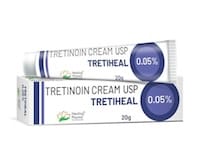
Buy Tretinoin Cream Online at the Best Prices Today
How to Acquire a Tretinoin Prescription Online
Finding the right prescription skincare can feel like hunting for a needle in a haystack. You might be tempted to grab a tube off a random shelf, but Tretinoin isn’t something you can pick up like a bottle of shampoo. Because it is a potent retinoid, it stays strictly behind the curtain of medical oversight.
Whether you are eyeing a gentle 0.025% strength to ease into your routine or looking for the heavy-hitting 0.1% concentration, the rule remains the same. You cannot simply bypass the doctor. A valid prescription is the golden ticket required for all three standard strengths: 0.025%, 0.05%, and 0.1%.
Attempting to find an over-the-counter version is a fool’s errand. Since it is a prescription-only medication, it is legally unavailable in retail stores without a physician’s sign-off. This isn’t just red tape; it is a safety net to ensure your skin doesn’t end up looking more like a dried-out desert than a glowing canvas.
If you try to hunt for it in the skincare aisle, you will come up empty-handed every single time. The potency of these creams means they can cause significant irritation if not managed correctly. Skipping the medical consultation is a recipe for disaster that most dermatologists would advise you to avoid at all costs.
The Modern Way to Consult
The days of sitting in a sterile, crowded waiting room for an hour are largely a thing of the past. Thanks to the digital revolution, you can now skip the in-person clinic visit entirely. Using online medical platforms has turned a tedious errand into a simple task you can complete from your couch.
Services like AgelessRx or Miiskin have paved the way for easy access to dermatological care. These platforms connect your bathroom mirror to a licensed professional. It is a streamlined approach that prioritizes convenience without cutting any corners when it comes to actual medical legitimacy.
When you use a reputable online service, the process is remarkably smooth. You typically fill out a digital health questionnaire about your skin concerns and medical history. Once that is submitted, a licensed dermatologist reviews your information to determine if the medication is the right fit for your unique skin.
A teleconsultation is often the mandatory next step in this digital journey. During this brief interaction, the doctor ensures you understand the potential side effects, like the dreaded „retinoid purge.“ It is a quick, necessary check-in that ensures you are using the cream safely and effectively.
Once the dermatologist gives the green light, your prescription is sent directly to the pharmacy. It is a remarkably efficient cycle that saves time and gas money. You can go from curious to treating your skin in just a few clicks, all while staying under professional supervision.
| Strength | Primary Use | Prescription Required |
| 0.025% | Beginner/Sensitive Skin | Yes |
| 0.05% | Intermediate/Anti-aging | Yes |
| 0.1% | Advanced/Acne Treatment | Yes |
Comparing Tretinoin Cream and Gel Formulations
Choosing between a cream and a gel is not just a matter of personal preference; it is a decision that can change your skin’s entire trajectory. Think of it like choosing between a heavy winter coat and a light summer linen. Both serve a purpose, but they interact with your environment in vastly different ways.
The primary distinction lies in the vehicle used to deliver the active ingredient. Creams are typically water-based with added oils, creating a rich, emollient texture. Gels, on the other hand, are usually water-based and much more lightweight. This fundamental difference dictates how the medication sinks into your skin and how long it lingers on the surface.
Absorption rates play a massive role in how you experience the medication. Because gels are thinner and lack heavy oils, they often penetrate the skin’s barrier more rapidly. This „quick strike“ approach can lead to faster results, but it also means the active ingredient hits your cells with much more intensity than a slower-releasing cream.
Creams tend to sit on the skin for a little longer, acting almost like a protective buffer. This slow-release mechanism can be a godsend for those who find potent retinoids a bit too aggressive. If you’ve ever felt like your skin was „burning“ after application, the texture might be the culprit.
Texture and Skin Type Synergy
If your skin is an oil slick by lunchtime, a gel is likely your best friend. Oily and acne-prone skin types often struggle with heavy, occlusive products that can clog pores. A gel provides the necessary medicinal punch without adding extra grease or heaviness to your complexion, keeping things feeling fresh and matte.
Conversely, if you deal with flakiness or tightness, a gel might feel like a drop of water in a desert. For those with dry or sensitive skin, the cream formulation is a lifesaver. The lipids and emollients in the cream help replenish the skin barrier while the tretinoin works its magic underneath.
Finding the right match is a bit like finding the perfect pair of shoes. You wouldn’t wear heavy boots to a beach trip, and you wouldn’t wear flimsy sandals to hike a mountain. Listen to your skin; if it feels tight and parched, lean toward the cream. If it feels greasy and congested, the gel is your ticket to clarity.
Many people find success by „sandwiching“ their treatment. This involves applying a moisturizer first, then the tretinoin cream, and then another layer of moisturizer. It is a clever way to mitigate the intensity of the medication while still reaping the anti-aging or anti-acne benefits.
Navigating the Purging Phase
The „retinoid purge“ is a rite of passage that many dread. This phase occurs when the medication accelerates cell turnover, pushing underlying congestion to the surface all at once. It can be a bumpy, frustrating road that makes you want to throw the whole bottle in the trash.
The formulation you choose can significantly impact how much you suffer during this period. Because gels absorb so quickly, they can trigger a more intense, sudden purging phase. You might see breakouts appearing more rapidly, which can be quite alarming if you aren’t prepared for the temporary upheaval.
Creams tend to offer a more gradual transition. Because they are thicker and slower to absorb, the „shock“ to your skin’s system is dampened. This can make the irritation and peeling much more manageable, allowing your skin to acclimate to the potency without feeling like it’s being scorched.
Remember, the purge is often a sign that the medicine is working. It is a temporary storm before the calm of clear, smooth skin arrives. If the irritation becomes unbearable, it’s a signal to scale back the frequency of application rather than quitting the treatment entirely.
Below is a comparison of common pricing structures you might encounter when ordering your prescription online.
| Option Type | Typical Quantity | Estimated Cost |
|---|---|---|
| Standard Cream | 20g Tube | $45 |
| Lightweight Gel | 15g Tube | $55 |
| Bulk Supply | 45g Tube | $90 |
| Subscription Plan | Monthly Supply | $35 |
Estimated Costs and Pricing for Tretinoin
Stepping into the world of prescription skincare can feel like walking into a high-end boutique without checking the price tags first. While you might expect a steep mountain of costs, the reality is often a bit more nuanced. Most users find themselves weighing the price of the cream itself against the hidden extras that pop up during the checkout process.
A standard 20g tube of 0.05% cream is the gold standard for many. Depending on the pharmacy, you might see prices ranging from $45 to $75 per tube. It is a significant investment in your skin’s future, but the cost fluctuates wildly based on whether you are buying a single tube or a larger bulk supply.
If you are just testing the waters, a one-off purchase might seem easiest. However, seasoned skincare enthusiasts often suggest looking deeper. It is like buying coffee; a single cup is expensive, but a bag of beans is much more economical in the long run. Understanding these pricing tiers is the first step to a sustainable routine.
Direct Purchases vs. Subscription Models
When browsing online pharmacies, you will inevitably face a fork in the road: do you buy once, or do you subscribe? One-time purchases are great for those who want total control over their supply. You can take your time and see how your skin reacts before committing to a long-term regimen of the medication.
Subscription models, however, are the „slow and steady“ winners for most people. By signing up for automatic deliveries, you can often shave $10 to $20 off the price of every single tube. It removes the mental load of remembering to reorder, ensuring you never run dry just as the magic starts to happen.
Many modern telehealth platforms use this model to keep costs low. They know that tretinoin is a marathon, not a sprint. By locking you into a monthly or quarterly cadence, they can offer much lower per-unit prices than a traditional pharmacy would ever dream of offering to a walk-in customer.
If you prefer the flexibility of a one-time purchase, be prepared to pay a premium. You are essentially paying for the convenience of not being tied down. It is a fair trade-off for some, but for a lifelong anti-aging journey, the subscription route is usually the much smarter financial move.
The Hidden Costs of Digital Prescriptions
It isn’t just the cream that costs money; there are „invisible“ fees that can catch you off guard. Since tretinoin is a prescription-only medication, you cannot simply grab it off a shelf. Most online providers require a teleconsultation with a licensed professional to ensure the treatment is safe for you.
This consultation is a mandatory hurdle. Some companies bake the fee into the price of the cream, while others list it as a separate charge, often ranging from $25 to $50. If you aren’t paying attention, your $45 cream can quickly turn into a $90 transaction once the doctor’s visit is tallied up.
Then, there is the matter of shipping. While many retailers offer free shipping for large orders, small single-tube shipments often come with a delivery fee. It is a small annoyance, but when you are trying to stick to a strict skincare budget, every dollar counts toward your ultimate goal of glowing skin.
Always look for the „all-in“ price before you hit that buy button. A low sticker price can be a siren song that leads to a much larger total. I always recommend checking the final summary in your cart to see the real impact of consultation fees and shipping costs.
Maximizing Value with Bundles and Long-Term Plans
If you have committed to the journey, you might want to look into value-driven bundles. Many specialized skincare companies offer „starter kits“ or multi-month supplies that significantly reduce the cost per gram. It is the skincare equivalent of buying in bulk at a warehouse club.
For those serious about an anti-aging regimen, buying a 45g tube or a three-month supply can be a game-changer. It lowers your overhead and ensures you don’t face a sudden price hike mid-treatment. Consistency is the key to seeing results, and having a stockpile makes that consistency much easier to maintain.
Some users also find success by pairing their prescription with high-quality, non-prescription moisturizers and sunscreens. While these aren’t part of the medication cost, they are essential to prevent irritation. Investing in a good bundle of „support“ products can actually save you money by preventing the need for expensive corrective treatments later.
Ultimately, the best value is found where efficacy meets affordability. Don’t just chase the cheapest tube you find on a random site; the risk of a poor-quality product or a scam is too high. Instead, look for reputable online pharmacies that offer transparent pricing, easy subscriptions, and a clear path to long-term success.
Shipping and Delivery Logistics for Prescription Skincare
Receiving your dermatological prescription in the mail is a bit like waiting for a long-awaited letter from a distant friend. You know it is coming, but the anticipation can be nerve-wracking. Depending on the provider you choose, you might see your package arrive within a few business days, or it might take a week or more.
Speedy delivery is often the goal for those who have just finished a consultation and are eager to start their skin transformation. Some specialized online pharmacies promise fast shipping to keep your momentum going. However, always remember that the clock only starts ticking once your medical consultation is officially approved and processed by the pharmacy.
It is wise to keep an eye on your email for tracking numbers. Much like a package from a major retailer, these updates help you plan when to be home. If you are using a subscription model, the timing is usually more predictable, which helps you avoid that dreaded moment when you realize you are down to your last few drops.
If you are in a rush, it might be worth checking if the provider offers expedited shipping options. While it might add a few extra bucks to your total, it can be a lifesaver if you are running low on your current supply. Just remember, the medical verification process is the real bottleneck in the timeline.
Temperature Control and Safety Protocols
Tretinoin is a bit of a sensitive soul when it comes to environmental conditions. It doesn’t particularly enjoy extreme heat or freezing temperatures. If the cream sits in a sweltering delivery truck for too long, the active ingredients can degrade, leaving you with a tube of expensive, ineffective goo. It is a real heartbreak for any skincare enthusiast.
To combat this, reputable pharmacies implement strict safety protocols. They often use insulated packaging or specialized thermal liners to keep the medication in a stable temperature range during transit. It is a silent layer of protection that ensures the medicine remains potent from the pharmacy shelf to your bathroom vanity.
When your package arrives, take a moment to check the condition of the container. If the cream feels unusually warm or if the packaging looks compromised, reach out to the provider immediately. It is better to be safe than sorry when dealing with a potent prescription-strength ingredient that requires precision to work effectively.
Think of your delivery as a delicate cargo. You wouldn’t want a shipment of fine wine sitting in the sun, and your tretinoin is no different. Proper handling during the shipping phase is just as important as the medical expertise used to prescribe it in the first place.
The Prescription Verification Process
You cannot simply toss tretinoin into a digital shopping cart like a bottle of shampoo. Because it is a prescription-only medication, there is a rigorous verification process in place. Online pharmacies must ensure that every order is backed by a valid, legal prescription before they even think about handing it over to a courier.
Most modern platforms use a teleconsultation model to bridge this gap. You will speak with a licensed dermatologist or a qualified medical professional through a video or text-based appointment. This isn’t just a formality; it is a crucial step to ensure the medication is safe for your specific skin type and medical history.
Once the doctor gives the green light, the pharmacy performs a secondary check. They verify the prescription details and ensure the dosage is correct for your needs. If you are using a traditional pharmacy, they may require a fax or an electronic transfer from your doctor to ensure everything is above board.
This layer of bureaucracy might feel like a hurdle, but it is your primary defense against improper medication use. It ensures that the substance you are applying to your face is exactly what your doctor intended, keeping you safe and ensuring you get the actual results you are paying for.
Domestic vs. International Shipping Realities
Shipping a specialized skincare product across state lines is a very different beast than sending it across an ocean. Domestic shipping is generally straightforward, with clear regulations and predictable timelines. Most users find that staying within their own country makes the logistics much smoother and the costs easier to manage.
International shipping, however, is where things can get a bit messy. You might run into unexpected customs duties or complex regulatory requirements that vary by country. Some medications that are easily accessible in one nation might be strictly controlled in another, which can lead to packages being held or even returned.
If you are considering ordering from an international source, do your homework first. You might find a lower price, but the „hidden“ costs of customs fees or the risk of the package being seized can quickly erase any perceived savings. It is often better to pay a little more for a domestic provider who understands local laws.
| Feature | Domestic Shipping | International Shipping |
Predictability |
High and reliable |
Variable and unpredictable |
Customs Risk |
None |
High potential for delays |
Total Cost |
Transparent |
Often includes hidden fees |
Ultimately, your priority should be the integrity of the medication and the ease of the transaction. Whether you are in the UK, Australia, or the US, make sure your provider has a clear policy on how they handle shipping to your specific location to avoid any unnecessary headaches.
Strategic Application and Usage Scenarios
Using tretinoin is not a „one size fits all“ endeavor. Depending on whether you are chasing a youthful glow or battling stubborn breakouts, your schedule might look entirely different. Think of it like training for a marathon; if you sprint on day one, you’ll likely end up sidelined with irritation.
For those focused on anti-wrinkle benefits, a slower, more consistent approach is often the gold standard. You might start by applying a pea-sized amount only twice a week. This gentle introduction allows your skin cells to adjust to the increased turnover rate without throwing a complete tantally tantrum.
Acne management, however, often requires a slightly more aggressive cadence to keep the pores clear. Many users find success by applying the cream every night after a long acclimation period. However, if you notice redness or stinging, you must back off immediately to prevent a damaged skin barrier.
Ultimately, listen to your skin. It is the best compass you have in this journey. If your face feels like it has been through a sandstorm, you are moving too fast. Consistency beats intensity every single time when it comes to long-term dermatological success.
The Art of the Sandwich Method
The „Sandwich Method“ is a legendary tactic for anyone prone to the dreaded tretinoin peel. It is essentially a protective layer of hydration that acts as a buffer. You apply a thin layer of moisturizer, wait for it to dry, and then apply your tretinoin on top.
Once the tretinoin has settled, you apply a second layer of moisturizer. This creates a literal sandwich of hydration. It does not stop the medication from working, but it significantly slows down the penetration rate, which can be a lifesaver for those with sensitive or dry skin types.
Many people find that this method turns a potentially painful experience into a manageable nightly ritual. It is a clever way to reap the benefits of the retinoid while keeping the inevitable dryness at bay. It is like wearing a light raincoat before walking through a drizzle.
If you find your skin is still peeling despite this method, you might want to try applying the tretinoin on damp skin, though most experts suggest dry skin is safer. It is all about finding that sweet spot where the medicine works but your skin remains comfortable.
Navigating Strength Transitions
Moving from a 0.025% concentration to a 0.05% strength can feel like stepping into a different league entirely. You might have felt like a pro with the lower dose, but the higher concentration can catch you off guard. It is a steep hill to climb.
When making the leap, do not simply swap your old tube for the new one overnight. Instead, treat the new strength like a brand-new product. Start by using it only once or twice a week again, even if you have been using the lower strength daily for months.
This „step-up“ approach allows your skin’s tolerance to build gradually. If you jump straight into the deep end, you might experience significant inflammation. It is better to take three months to reach your goal than to burn your skin barrier in three days.
Keep a close eye on any sudden breakouts, which are often part of the „purging“ process. While purging is common, widespread redness and swelling are not. If your skin looks angry, retreat to your lower strength or take a few „recovery nights“ until the irritation subsides.
Essential Companion Products
Tretinoin is a powerhouse, but it is a demanding one. You cannot expect it to work in a vacuum without providing your skin with the tools it needs to repair itself. Using tretinoin without a high-quality sunscreen is essentially asking for sun damage.
Sunscreen is non-negotiable. Because tretinoin increases cell turnover, your „new“ skin is incredibly sensitive to UV rays. If you skip SPF during the day, you might find that the wrinkles you are trying to fix are actually getting worse due to sun exposure.
Beyond protection, you need a non-comedogenic moisturizer. This means a product designed not to clog your pores. You want something rich in ceramides or hyaluronic acid to rebuild the moisture barrier that the tretinoin is constantly working to shed. Look for labels that promise „oil-free“ or „non-comedogenic.“
A well-rounded routine might look like this:
- Morning: Gentle cleanser, hyaluronic acid serum, and a broad-spectrum SPF 30+.
- Evening: Hydrating cleanser, pea-sized amount of tretinoin (on dry skin), and a rich, non-comedogenic moisturizer.
Investing in these companions is just as important as the prescription itself. You wouldn’t drive a high-performance sports car without oil or coolant, so do not expect your skin to perform at its peak without the right support system.
Evaluating Online Skincare Providers
Stepping into the digital marketplace for prescription skincare can feel like walking through a minefield. You are looking for a potent ingredient, but you do not want to end up with a counterfeit bottle that does nothing or, worse, something that causes a chemical burn. It is vital to distinguish between legitimate medical platforms and shady corner-of-the-internet operations.
A legitimate provider will never ask you to skip the doctor. Tretinoin is a powerful medication, not a cosmetic lotion you can simply grab off a digital shelf. If a website offers you a tube of 0.05% cream without asking a single question about your skin history, run the other way. That is a massive red flag that the product is unregulated.
Always look for signs of professional accreditation. Real medical providers will clearly state that a consultation is mandatory. They should have transparent pricing, clear contact information, and a visible process for how they verify your identity and medical needs. If the website looks like it was designed in five minutes by someone in a basement, trust your gut and move on.
Checking for a valid medical license is your first line of defense. Reputable companies often partner with licensed dermatologists or nurse practitioners to oversee your care. You should be able to find information about the medical professionals who will be reviewing your case. This layer of oversight is what keeps your skin—and your wallet—safe from harm.
Community Wisdom and Real Experiences
Sometimes, the best way to judge a service is to listen to the people who have already walked the path. Community discussions on platforms like Reddit can be a goldmine of unfiltered truth. Users often share their experiences with specific online doctors, discussing everything from the ease of the teleconsult to how long the shipping actually took to arrive.
I remember reading a thread where someone discussed using a simple online doctor to get their anti-aging prescription. They emphasized how the teleconsult was absolutely compulsory, which gave them peace of mind. It is these small details—the „mandatory“ nature of the medical check—that separate the professionals from the scammers who try to bypass safety protocols.
However, take community advice with a grain of salt. What works for one person might not be the best fit for your specific skin type or budget. Use these discussions as a compass to point you in the right direction, but do not let a single comment dictate your entire medical journey. Every face is a different landscape of sensitivity and needs.
When browsing these forums, look for patterns. If multiple users are complaining about receiving empty boxes or being charged $150 for a product that was promised for $40, pay attention. Conversely, if you see consistent praise for a provider’s communication style and professional follow-up, you might have found a winner. It is all about looking for the consensus in the noise.
Avoiding the „Too Good to Be True“ Trap
The siren song of „cheap Tretinoin“ is incredibly loud. We all want to save a few bucks, but in the world of prescription medicine, a bargain can be a bitter pill to swallow. If you see an advertisement promising 0.1% strength for $15 with no prescription required, you are likely looking at a scam or a dangerous counterfeit.
Counterfeit skincare is a nightmare scenario. You might receive a cream that contains nothing but talcum powder, or worse, a substance that is far too concentrated and causes permanent scarring. There is no such thing as a „free lunch“ when it comes to dermatological-grade retinoids. If the price seems too low to be real, it simply isn’t real.
Watch out for these specific red flags when shopping online:
- No Consultation Required: As mentioned, tretinoin is a prescription-only medication. Any site skipping the doctor is a red flag.
- Unrealistic Pricing: If the price is significantly lower than $30 or $40 for a standard tube, be extremely cautious.
- Lack of Physical Address: Legitimate medical companies have real offices and contact methods, not just a generic contact form.
- Pressure Tactics: „Buy now or lose this 90% discount!“ is a classic high-pressure tactic used by unreliable vendors.
It is better to pay a fair price for a verified, safe product than to gamble your skin health on a „steal.“ A legitimate consultation fee is a small price to pay for the certainty that what you are putting on your face is exactly what the label says it is.
The Necessity of Teleconsultations
You might be tempted to skip the video call or the questionnaire to save time, but the teleconsult is the most important part of the process. This is where a healthcare professional assesses your skin’s current state. They need to know if you have a history of eczema, if you are pregnant, or if you have already tried other retinoids.
Think of the teleconsult as a safety net. A dermatologist can guide you on the right concentration to start with. Jumping straight to a high-strength gel without professional oversight is like trying to learn to drive by jumping into a Formula 1 car. It is too much, too fast, and likely to end in a wreck.
During these consultations, don’t be afraid to ask questions. A good provider will welcome your curiosity. You can ask about the specific brand they are prescribing, the expected side effects, and how to handle a potential breakout. If a provider brushes off your concerns, they are likely more interested in your credit card than your skin’s health.
Direct communication ensures that your treatment is personalized. Tretinoin is not a one-size-fits-all solution. Some people thrive on a 0.025% cream, while others need a gel. That decision should be made by a professional who has looked at your skin through a digital lens, ensuring your journey is as smooth as possible.
Contact & directions
Address:
45 William T. Morrissey Boulevard,
Boston, MA 02125, USA